Data Hiding in Images
Data Hiding in Images
This chapter will focus on the secure hiding of data in photographs. Suppose you need to transmit an image that must conceal payment information, a face in the photograph, or some other detail. Typically, in this case, the so-called pixelation method is used, which makes a portion of the image blurry, causing the human eye to only vaguely recognize the content.
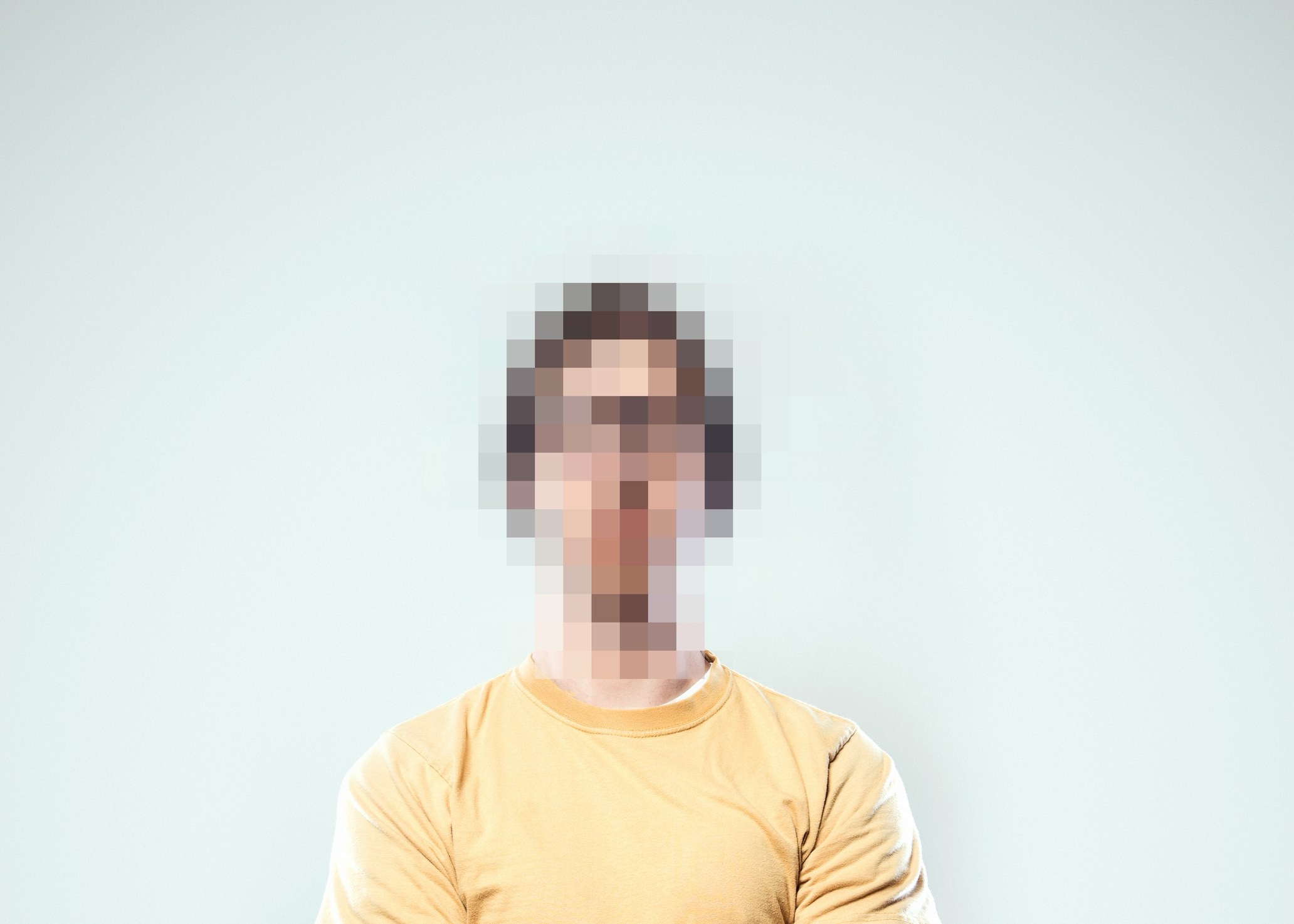
Pixelation is often used on television to hide faces, intimate body parts, or obscene gestures. The essence of the method is very simple: the image or its part that needs to be concealed is divided into squares of equal size. In each square, the dominant color is determined, and the entire square is filled with it. The larger the squares, the harder it is to distinguish the original image.
Using this method to hide valuable data in a photograph is a big mistake, as modern technologies can accurately restore them.
Researchers from the University of Texas and Cornell Tech presented a program based on neural networks back in 2016 that restored blurry images without containing any innovative techniques. According to the researchers, they managed to restore 80% of distorted images, including not only those where pixelation was used but also other effects, such as regular blurring.
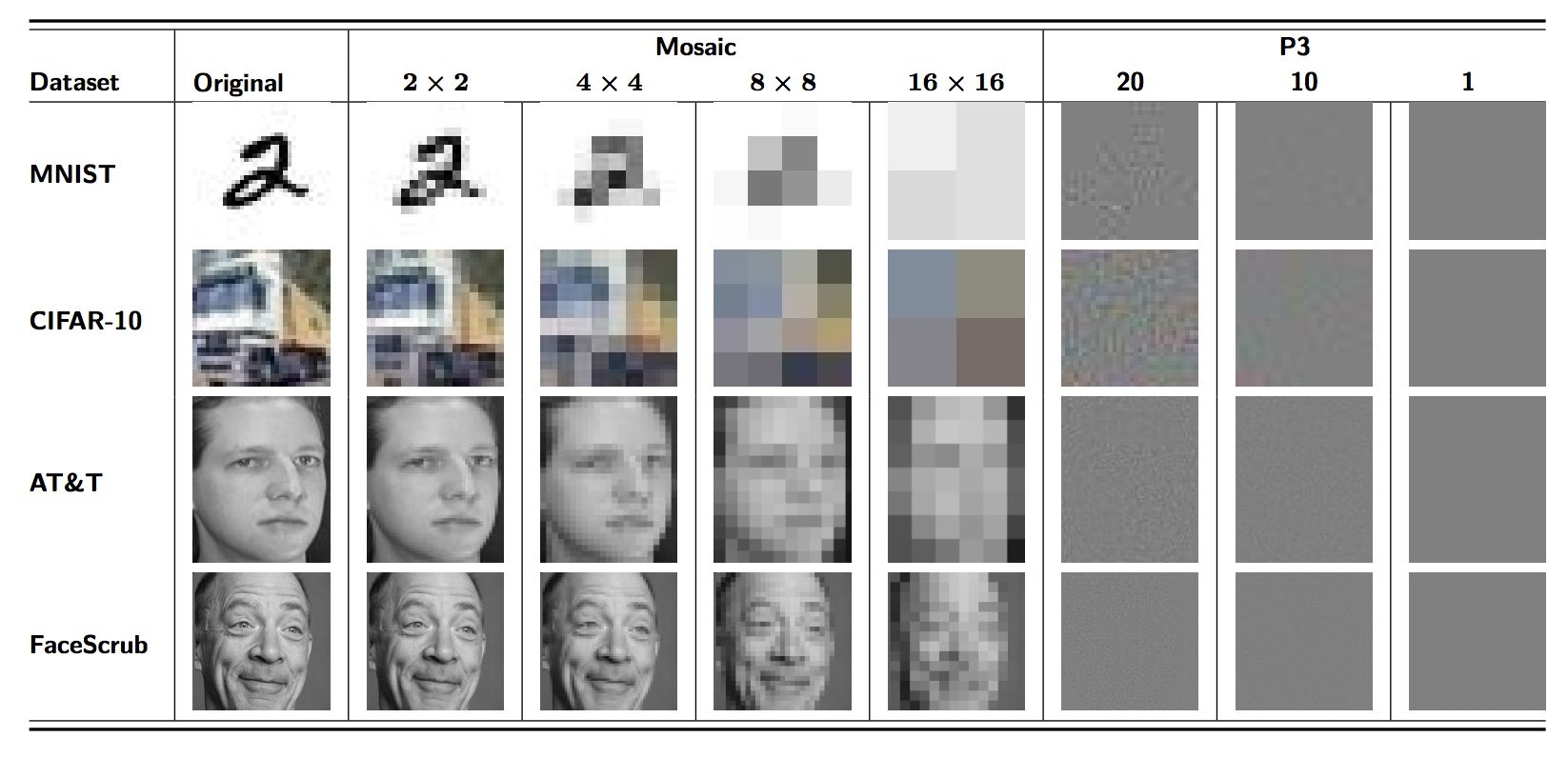
But this is not the only research and not the only method to restore distorted images, so it is better to use data concealment with a shape, as no neural networks will help in that case.
For example, like this: